

The Robe of Human Frame
February 25, 2026
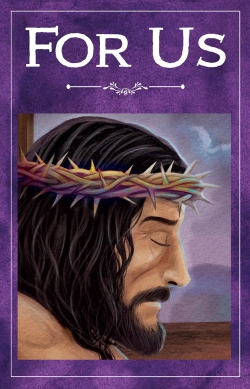
Adapted for the people of Emmanuel Lutheran Church in Adell from a message included in the Concordia Publishing House Lenten Series For Us
The Robe of Human Frame
Text: Hebrews 1
Grace, mercy, and peace be to you from God our Father, and from our Lord and Savior, Jesus Christ.
Tonight, we will continue looking at the ancient hymn “O Love, How Deep” and how to rightly understand the ministry of angels among God’s people.
Angels are a source of endless fascination and speculation in our world. Our hymn for this season was written in the fifteenth century, almost six hundred years ago. It was a time when it was somehow easier to believe that beings like angels and demons exist. But even now, we continue to believe that there are spiritual beings whose sole purpose is to serve God and to take care of us.
We first see angels appear in the Bible in Genesis 3. God places an angel with a flaming sword at the entrance to the Garden of Eden. Angels appear as messengers, warriors, guardians, and worshipers and attendants at the throne of God. These biblical angels are not cute and cuddly. They don’t look like the pictures we generally portray on greeting cards and modern art. They’re mighty beings who have been present at every significant event in the life of God’s people throughout history.
It shouldn’t surprise us, then, that some people thought that God would send an angel down to be the Messiah. After all, who could be more powerful, more in tune with God’s will than His own created servants, the angels?
The flipside of any discussion of God’s holy angels and how God uses them includes demons. We talked on Sunday about the devil being hard at work in the world today. And according to the Scriptures, demons are angels who rebelled against God and His divine will. The leader of these fallen angels is Satan. Satan, which means “accuser,” sits in opposition to everything God stands for. This is the devil we heard about in last Sunday’s Gospel from Matthew 4, the account of Jesus being tempted in the wilderness. Just as the angels have been present for so much of God’s story, Satan has also been there, lurking and slithering and tempting us away from everything that is good and right and true in this world.
So why didn’t God use an angel to oppose Satan and undo his evil reign? We get the answer in our reading from Hebrews 1. The second stanza of “O Love, How Deep” sums it up well:
He sent no angel to our race,
Of higher or of lower place,
But wore the robe of human frame,
And to this world Himself He came.
Jesus Christ is the Son of God, the eternal Word, the heir of all things. It’s through Jesus that God created the world (Hebrews 1:2). Jesus is the very voice of God in creation. The whole world was created through Him.
What’s more, Hebrews tells us that He is “the exact imprint of His nature, and He upholds the universe by the word of His power.” In other words, if you want to know the Father, know the Son. We could even go a step further and say that the only way to know the Father is through His Son, our Lord Jesus Christ. As mighty as God’s created angels are, they can’t redeem us from sin. Only the uncreated Son of God can do that.
So, what does it mean, then, that the Son of God became a little child in the womb of the blessed virgin Mary? Why does it matter so much? Why is it in so many ways at the very heart of what it means to be a Christian?
In the words of one early Christian pastor, Gregory Nazianzus, “that which he did not assume, he cannot redeem.” In other words, in order for Jesus to save us, body and soul, He had to become one of us. We confess this every year on Trinity Sunday in the Athanasian Creed:
Although He is God and man, He is not two, but one Christ: one, however, not by the conversion of the divinity into flesh, but by the assumption of the humanity into God; one altogether, not by confusion of substance, but by unity of person.
We have a Savior who is, as the author of Hebrews puts it, a “little while lower than the angels.” Yet He is also the One who governs all things. He is the Lord of all and yet the servant of all. He is both the greatest and the least. He is fully God and fully man. He is the icon, the very image, of God’s love to the world.
What this means for you is that you have a God who does not simply understand your weaknesses. He does not merely “get us.” He is us. He’s tempted just as we are, yet without sin.
It’s at times like this that we thank God for Jesus, who came to earth in the womb of Mary. We thank God that He took that betrayal into Himself, that He “wore the robe of human frame.” We thank God, and we know that He did it all for us. Amen.
The peace of God which surpasses all understanding guard your hearts and your minds in Christ Jesus.

Leave a Reply